When we ran one of our workshops, a student approached us at the end of the session and expressed her interest in becoming a comic artist. She asked if there were any books on making comics that she could read to develop her work. Caught on the back foot, I recommended the trusty Understanding Comics by Scott McCloud, but went blank as to anything else worthwhile. Well, that moment has stuck with me, troubled me, haunted me, and I have decided that if I could live it over, these are the resources I would suggest. And it’s my hope that, maybe, the student will somehow find this list.
Understanding Comics: The Invisible Art by Scott McCloud.
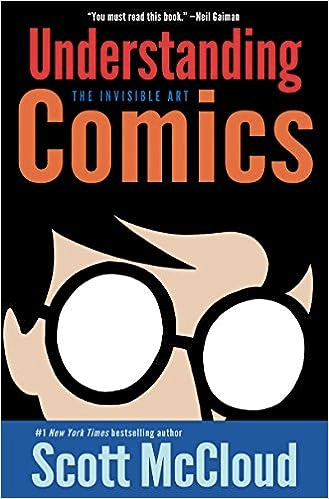
The blurb: ‘Praised throughout the cartoon industry by such luminaries as Art Spiegelman, Matt Groening, and Will Eisner, Scott McCloud’s Understanding Comics is a seminal examination of comics art: its rich history, surprising technical components, and major cultural significance. Explore the secret world between the panels, through the lines, and within the hidden symbols of a powerful but misunderstood art form.’
I love this one because it gives you a new way of thinking about comics. When you read a page of panels, so much of the work you do is instinctive. It’s hard to define what your mind is doing, which means that when the time comes to create your own page then it can be tricky to make conscious choices about what you want to convey. This book gives you the history of the comic as a medium and explains how they work. Once you know the rules, you can apply them, bend them, break them or maybe even progress them anyway you like!
From inside:
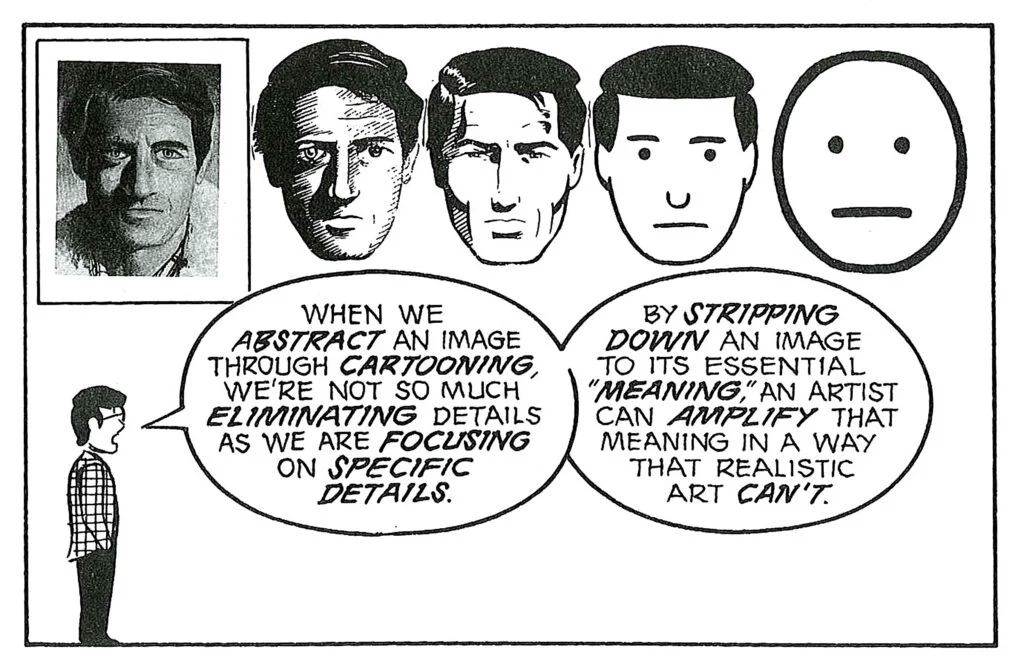
Figure Drawing for All It’s Worth by Andrew Loomis.
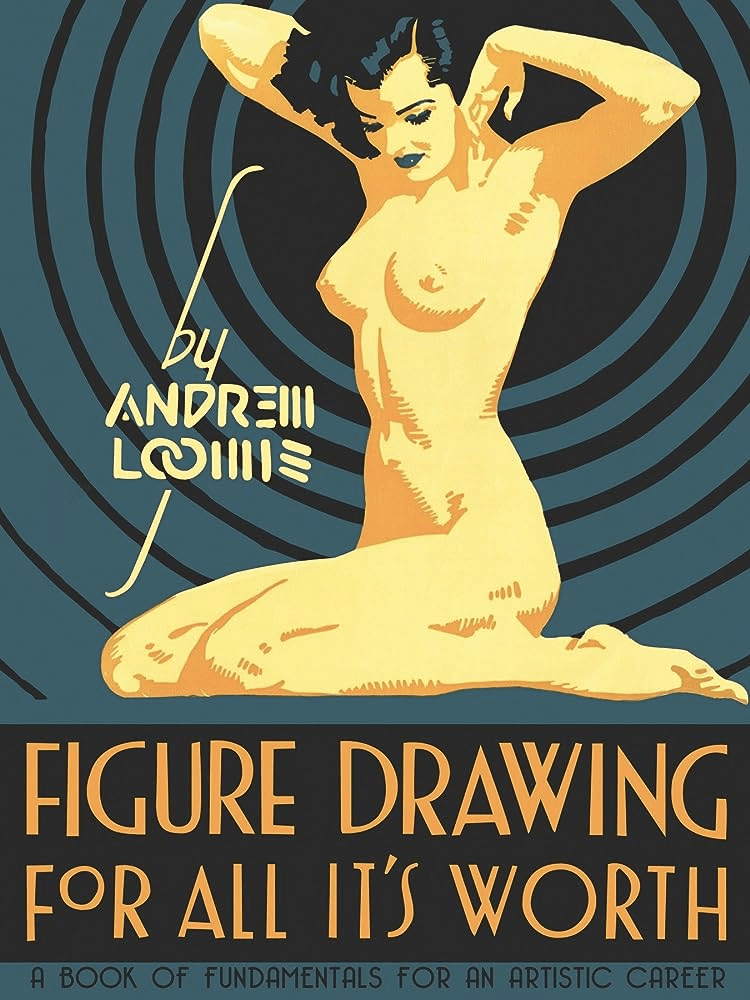
Figure Drawing for All It’s Worth by Andrew Loomis. The blurb: ‘The illustrator Andrew Loomis (1892-1959) is revered amongst artists – including comics superstar Alex Ross – for his mastery of figure drawing and his clean, realist style. His hugely influential series of art instruction books have never been bettered.
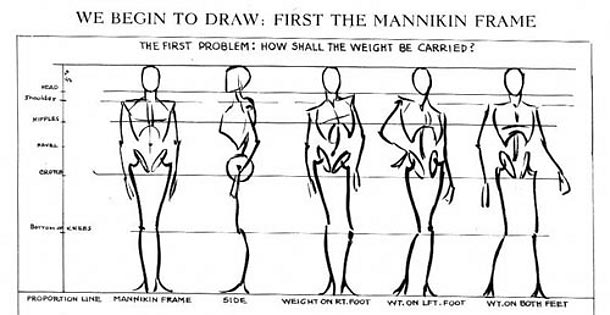
This book is worth its weight in gold. It teaches you how anatomy works, and then explains how comic books and illustrations don’t actually use real-world anatomy, and that’s why your true-to-life figures might look a little peculiar on a comic page. It’s written clearly and simply with exercises you can easily follow without an art instructor. I highly recommend it.
From inside:
Drawing the Head and Hands by Andrew Loomis
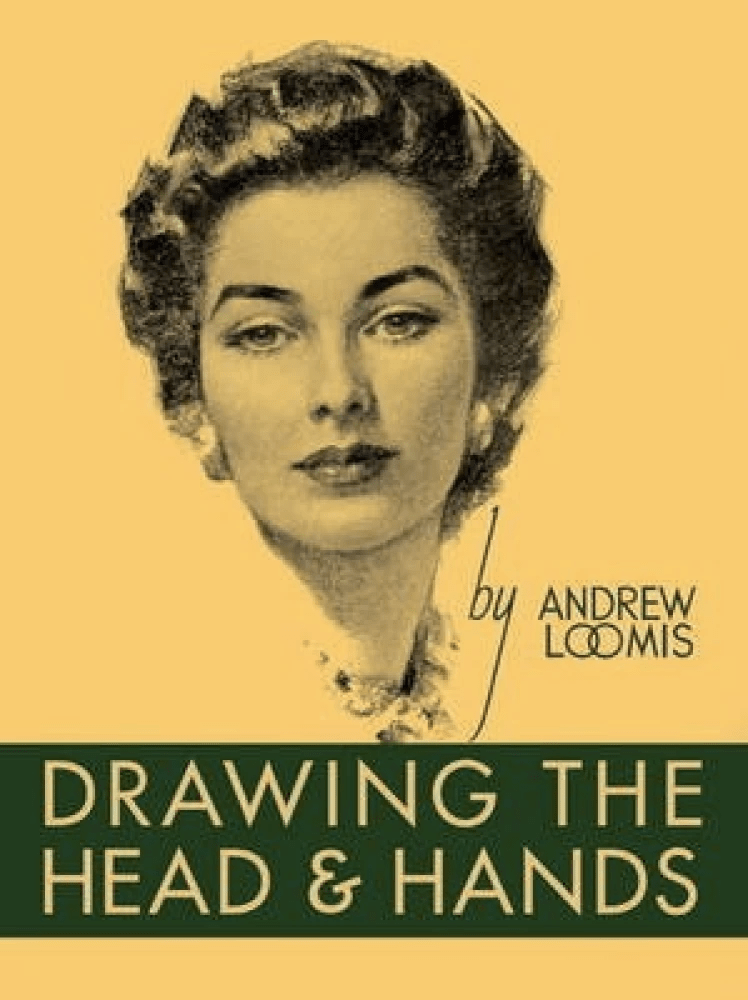
The blurb: ‘The human head and hands are the most difficult elements in figure drawing, but world-class illustrator Andrew Loomis’ classic primer offers the solution. Revered among artists for his mastery of figure drawing and clean, realist style, Loomis’ hugely influential art instruction books have never been bettered.’
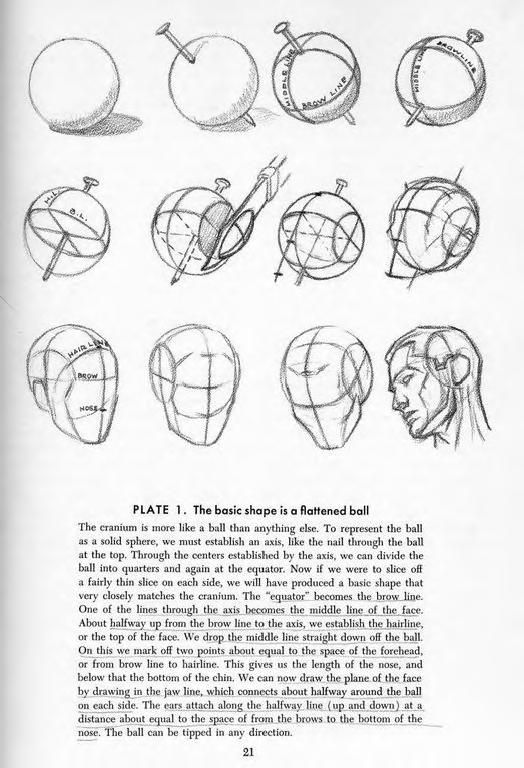
The hands. How I hate them. Or I did, until I started practicing with Loomis’ guide. A lot of the trouble with drawing hands is that we’re afraid of them. This book teaches you how to approach them with confidence, and your style will develop quickly as a result.
Same goes for heads, of course. But you can’t hide issues with hands as easily as you can with heads, for some reason.
From inside:
Imaginative Realism: How to Draw What Doesn’t Exist by James Gurney
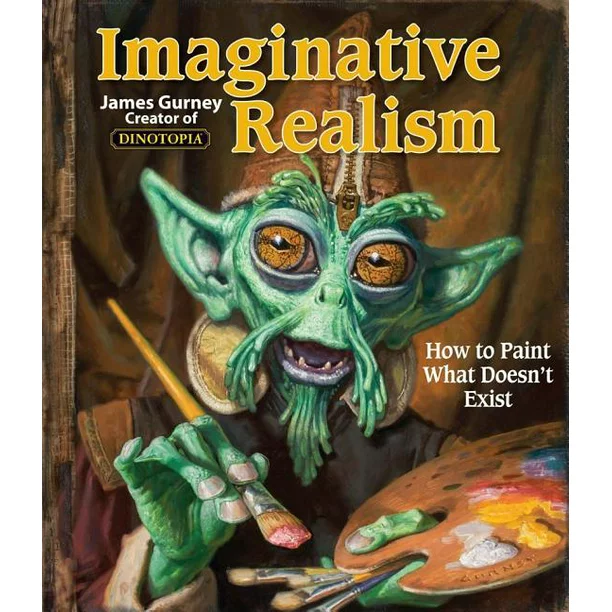
The blurb: ‘Renowned for his uncanny ability to incorporate amazing detail and imagination into stunningly realistic fantasy settings, James Gurney teaches budding artists and fans of fantasy art step-by-step the techniques that won him worldwide critical acclaim. This groundbreaking work examines the practical methods for creating believable pictures of imaginary subjects, such as dinosaurs, ancient Romans, alien creatures, and distant worlds.
Beginning with a survey of imaginative paintings from the Renaissance to the golden Age of American illustration, the book then goes on to explain not just techniques like sketching and composition, but also the fundamentals of believable world building including archaeology, architecture, anatomy for creatures and aliens, and fantastic engineering. It concludes with details and valuable advice on careers in fantasy illustration, including video game and film concept art and toy design.’
It’s hard being an artist of fantastic worlds. No one can tell you what a dragon looks like, but they sure are stars will tell you when it looks wrong. This book is useful for giving your imaginative renderings the depth they need to look like they could be drawn from life.
Perspective! For Comic Book Artists by David Chelsea
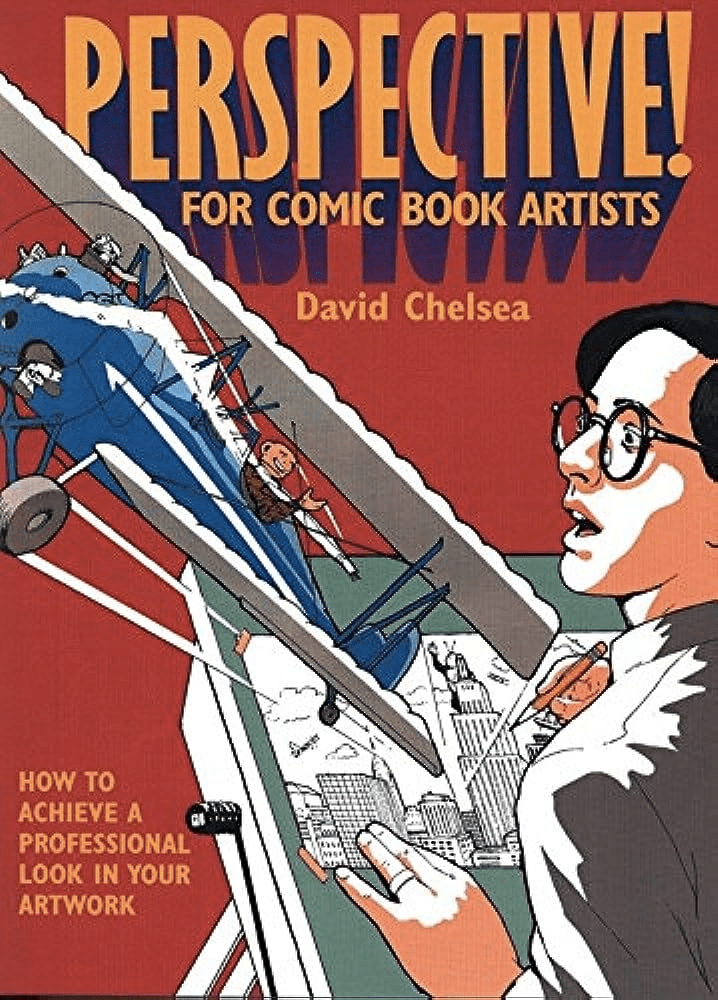
The Blurb: ‘This clever book teaches artists the unique skill of drawing perspective for spectacular landscapes, fantastic interiors, and other wildly animated backgrounds to fit comic-strip panels.’
One of my most vivid memories of art college is sitting cross-legged on the floor of a corridor, drawing a box of intersecting lines in my sketchook, and then trying to draw the proportions of the hallway over the box of guidelines. And failing. And getting angry. And swearing at the concept of perspective.
Don’t be me. Read this book, and have perspective described in an accessible and useful way.
Strip Panel Naked: Youtube
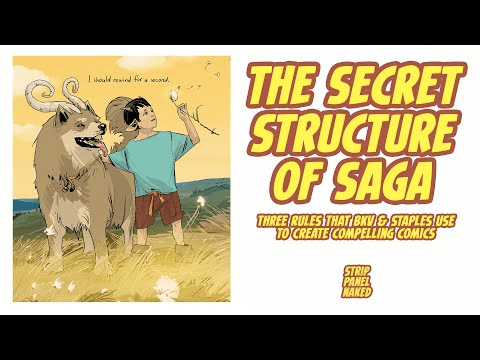
Not a reader? Tired of book recommendations? Want something to do while you wait for your books to arrive? Then look no further than YouTube account Strip Panel Naked . Their description states: ‘Taking a look at why the best comic books work the way they do, by breaking them down and analysing the work that’s gone into them.’ You can find a wealth of informative and fascinating videos on comic books through their page, and many of the videos are fairly short and snappy, so you can start analysing comics – and applying that analysis to your own work – with wonderful speed.
I hope that these resources prove of use to anyone wanting to develop their artistic style, comic or otherwise! And to the student who attended our workshop: I hope they’re useful to you, and I look forward to reading your work one day.
Written by Alex Carabine.
 Drawing on Forced Marriage
Leave a comment