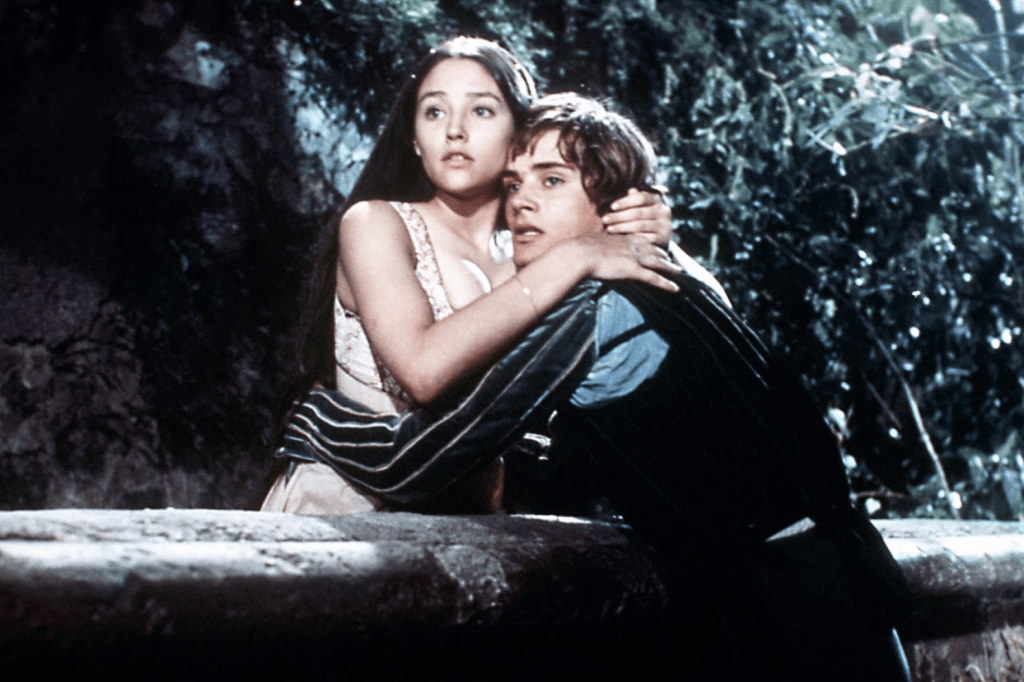
“But Mum, I love him!” My sister proclaimed. She was older than me, probably just turned sixteen, and was deeply in love with her first boyfriend (who was her own age and, if memory serves, a sweetheart. He gave me my first copy of The Smashing Pumpkins, though, so I’m aware that I might be biased).
My mum, however, was neither biased nor sentimental. “No.” She answered.
“But it’s legal!” My sister insisted. “If you agree, we can get married.”
Our mum was adamant. “No. It’s too big a commitment. Anyway, if you’re going to be together forever, getting married won’t actually change anything, will it? No harm in waiting two more years.”
Forlorn but ultimately protected, my sister locked herself in her room and, I assume, wept profusely. I, cynical and world weary thirteen-year-old that I was, approved of our mum’s response. Love, especially teenage love, seemed a wild and mercurial thing, so mum’s cool logic and meticulous reasoning seemed like its antidote.
Still, it was a romantic era. Though, perhaps adolescence makes every era a romantic one when you’re actually a teen. Baz Luhrmann had released his lush interpretation of Romeo and Juliet not too long before this conversation with my mum, so teenage girls remained obsessed with Shakespeare’s tragic love story. While some girls swooned over the young actors, other girls (me, it was me, I am other girls) read the play and were aghast to discover Juliet was only thirteen when she secretly married Romeo. We all approved of Luhrmann’s decision to age the character up by casting Claire Danes, who was the wise old age of seventeen at the time of filming.
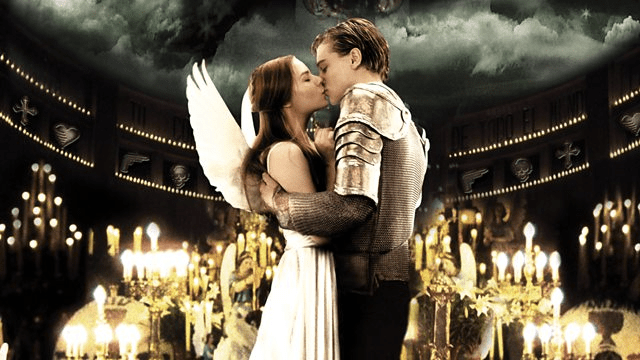
Teenage marriage, then, was a hot topic for me and my peers, and one that was aggressively advocated for by the older girls in my sister’s friend group. Sure, Romeo and Juliet’s relationship had failed spectacularly, but that wasn’t their fault. Their love was still true, it was their parents’ drama that had ruined everything. At least, this was the reasoning of the girls, and I think it fed into conversations like the one above, where the girls were convinced that they were star-crossed. That their love could be eternal. That it was reasonable to be married at sixteen.
I couldn’t fathom the strange contradiction of a law that said you could get married at sixteen with parental permission, when other laws decided that you were too immature to make certain life altering decisions until you were eighteen, regardless of what your parents said on the issue. I couldn’t get a credit card, or drink, or have a butterfly tattooed onto my shoulder (for which I am grateful to this day), but I could yoke myself to some Lynx-smothered lad for the rest of our lives? Because my parents might be absent-minded enough to think it was a good idea? Horrifying.
And that was that. I put it away. My sister and her boyfriend broke up about a year later and we never had to worry about teenage marriage again.
How lucky we were to have our mother. And what a position of privilege I was in not to have to worry about getting married at sixteen. It never even occurred to me that such a marriage could be against my wishes, that I could be forced to marry a man far older than I.
In February 2023, the law in the UK was changed to raise the minimum age of marriage to eighteen. My algorithm, not privy to the conversation above, didn’t know to alert me to the change in the law, so I didn’t find out about it until I began working on this project. When we took the comic to schools to teach students about the signs of forced marriage, most of the young teens still believed the legal age was sixteen with parental consent, too.
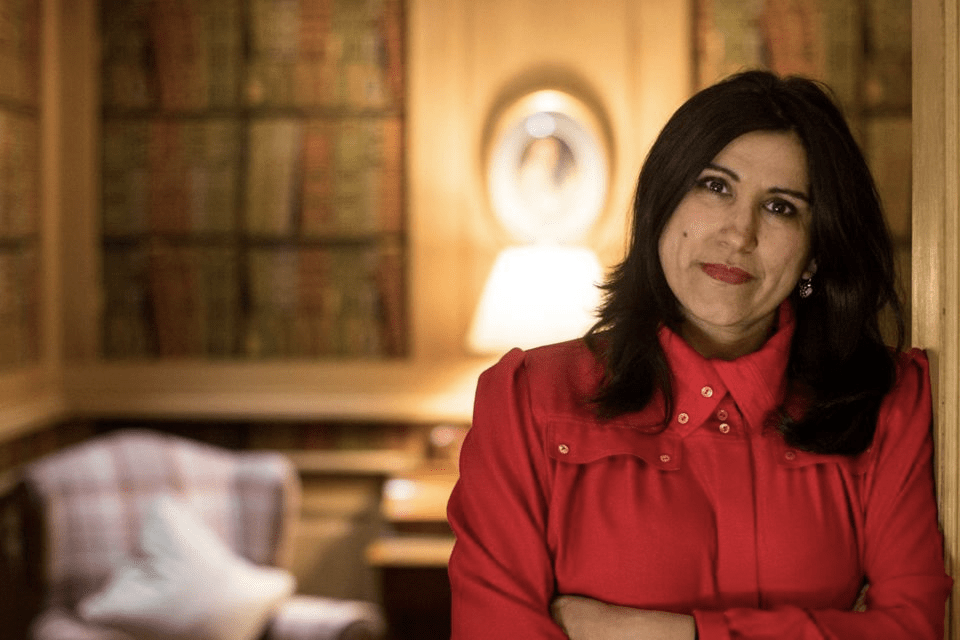
The reason for the change in the law was the fierce campaigning of organisations like our project partner Karma Nirvana, the Iranian and Kurdish Women’s Rights Organisations, and the Girls Not Brides UK partnership. While girls like me were able to view the law as a quaint little paradox, other young teens have been forced into child marriage through the loophole the law created. The crime of forced marriage has been largely invisible in the UK, as it is perceived as something that occurs in developing countries. However, Karma Nirvana stated that its UK hotline responded to more than a thousand child marriage reports since 2015. The government’s Forced Marriage Unit report of 2022 revealed that 29% of forced marriage cases involved children under eighteen, and there have been concerns that more children have been at risk of forced marriage since the pandemic.
Diana Nammi (founder of the Iranian and Kurdish Women’s Rights Organisation) told the Guardian that
“Too often under the current inadequate law we see failures by safeguarding professionals and the consequences of child marriage, which disproportionately affect a greater number of girls, usually married to older men.”
As a result, these young people can experience reduced education and employment issues, increased mental health difficulties and a higher incidence of domestic violence.
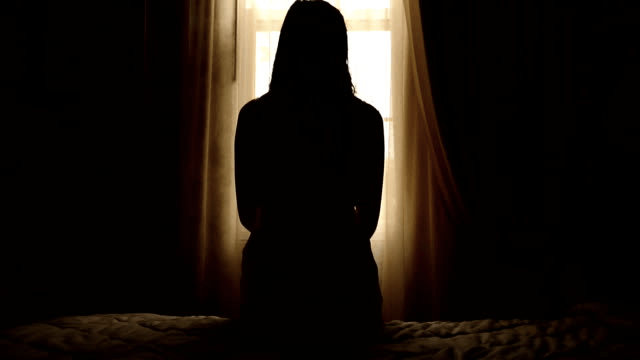
This is a vastly different world from the ‘Romeo and Juliet’ drama of my teen years, and it is one that had never occurred to me. I didn’t realise that girls my sister’s age might be weeping in their bedrooms for far darker reasons than thwarted first love. That while I might not be able to get my tattoo, I would at least be able to continue my education. I got to fall in love with whoever I wanted, to thrive and fail and dream and aspire in all the ways children should be able to, as they grow up and figure out who they are.
Now, with the law changed and the legal age of marriage raised to eighteen, I have hope that more children will be protected from the crime of forced marriage. But of course, it isn’t as simple as a change in law, and – as my previous ignorance has proven – raising awareness might not be reaching as many people as we would wish. That’s why I’m so proud to be part of the Drawing on Forced Marriage project, as the comic can be put into the hands of those children most vulnerable. To help empower them against coercive practices, to teach them what signs to be aware of and how to look out for each other. And as we do so, teachers likewise become more able to protect their students. There is much work to be done, but we must do everything we can, and education is always a powerful place to start.
Written by Alex Carabine
 Drawing on Forced Marriage
Leave a comment