In an attempt to make this blog a welcoming corner of the internet, I decided to put together a list of classic comics that any beginner would have a great time reading. But I noticed as I was writing the list that the comics skew a little… well… male. They’re written by men. They’re predominantly written about men. And that isn’t a critique of the comics themselves, they are great texts and tell amazing stories. However, the classics don’t necessarily represent the current landscape of comics. So, while I fully endorse that list as excellent examples of what comics have done and can do, I have now put together a second list that’s more diverse. Where other people, marginalised people, have seen the potential of comics and decided to carve out a space for themselves. They have, as it were, stepped out of the gutters and into the panels to tell the stories that are near to their hearts, or that need more attention.
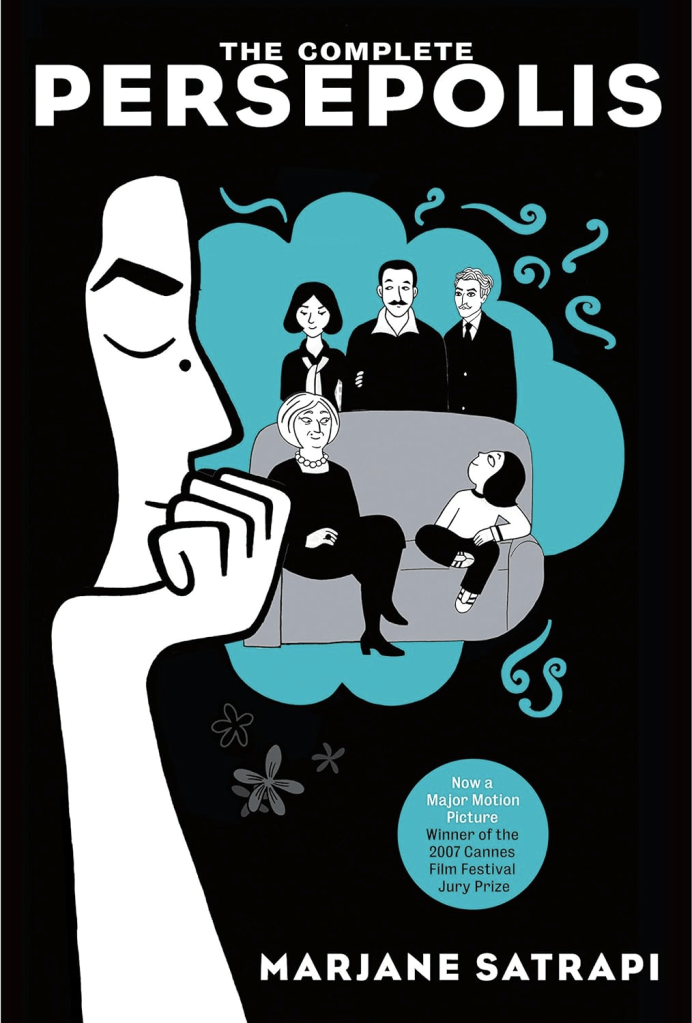
Persepolis, by Marjane Satrapi
The blurb: Persepolis is the story of Satrapi’s unforgettable childhood and coming of age within a large and loving family in Tehran during the Islamic Revolution; of the contradictions between private life and public life in a country plagued by political upheaval; of her high school years in Vienna facing the trials of adolescence far from her family; of her homecoming—both sweet and terrible; and, finally, of her self-imposed exile from her beloved homeland. It is the chronicle of a girlhood and adolescence at once outrageous and familiar, a young life entwined with the history of her country yet filled with the universal trials and joys of growing up.
Like Maus (from the previous list), this is an excellent book for teachers to include on their curriculum.
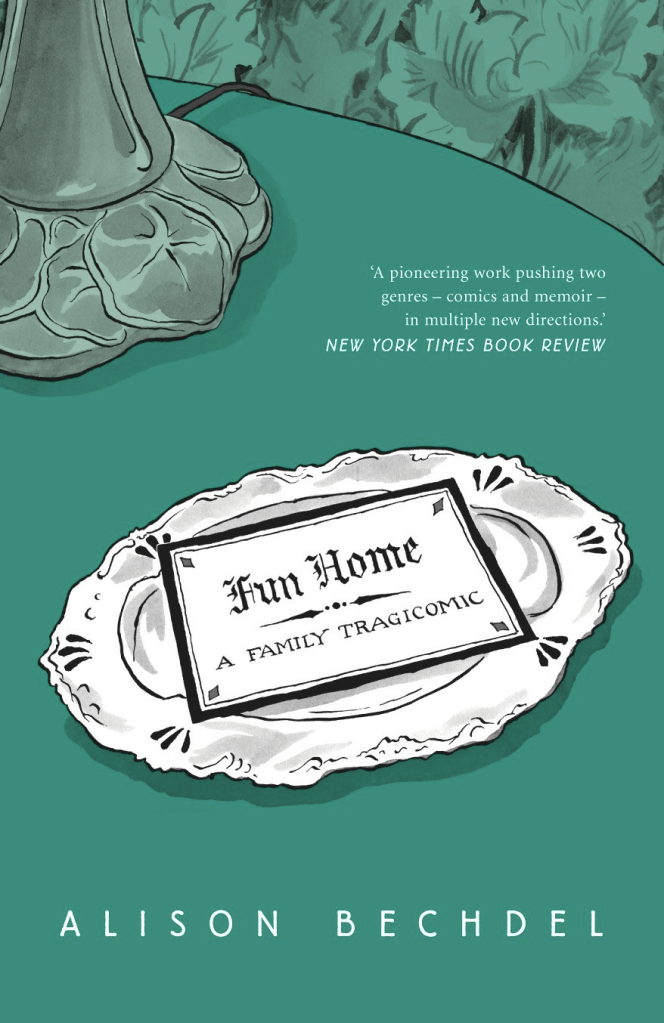
Fun Home, by Alison Bechdel
The blurb: Meet Alison’s father, a historic preservation expert and obsessive restorer of the family’s Victorian home, a third-generation funeral home director, a high-school English teacher, an icily distant parent, and a closeted homosexual who, as it turns out, is involved with his male students and the family babysitter. When Alison comes out as homosexual herself in late adolescence, the denouement is swift, graphic, and redemptive.
Interweaving between childhood memories, college life and present day, and through narrative that is equally heartbreaking and fiercely funny, Alison looks back on her complex relationship with her father and finds they had more in common than she ever knew.
Fun fact: I imagine you’ve heard of the Bechdel test? It’s a way to evaluate whether a film depicts women realistically, or through sexist stereotypes. To pass the test, a film must:
- Contain two or more female characters.
- The female characters must have names and a conversation together.
- That conversation has to be about anything other than a man.
Well, that test was created by Alison Bechdel, who made a comic about two women on a date, discussing what film they should see. Their conversation became the basis of the Bechdel test.
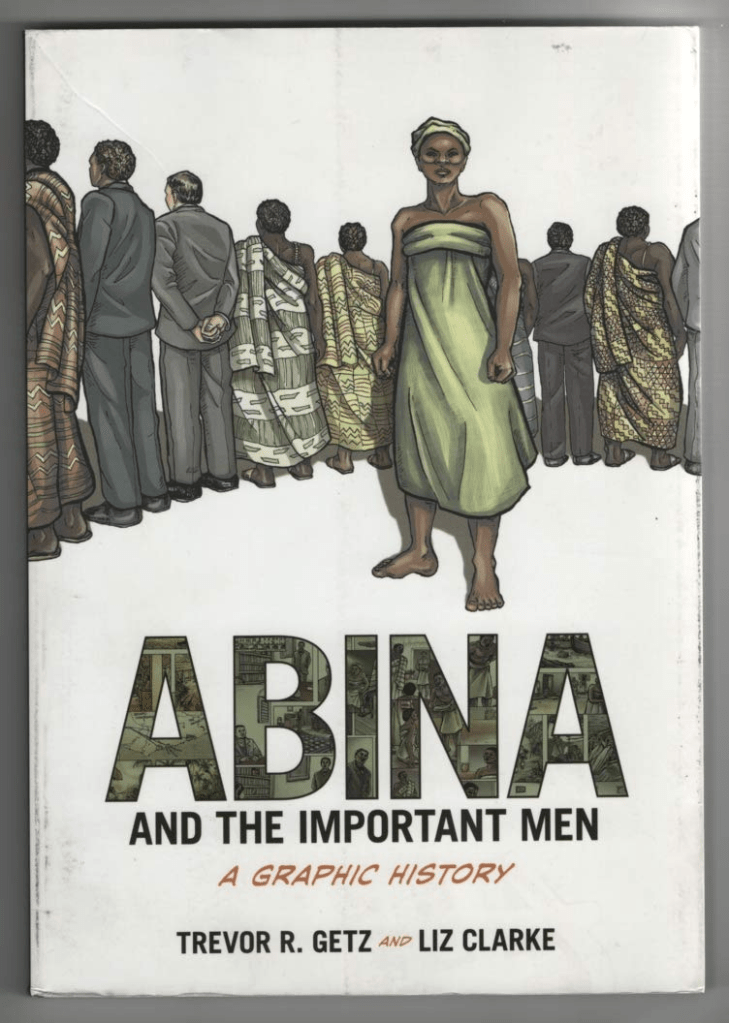
Abina and the Important Men, by Trevor Getz and Liz Clarke
The blurb: Winner of the James Harvey Robinson Prize from the American Historical Association, and widely acclaimed by educators and students, Abina and the Important Men, 2e is a compelling and powerfully illustrated “graphic history” based on an 1876 court transcript of a West African woman named Abina, who was wrongfully enslaved and took her case to court. The book is a microhistory that does much more than simply depict an event in the past; it uses the power of illustration to convey important themes in world history and to reveal the processes by which history is made.
Another excellent choice for teachers.
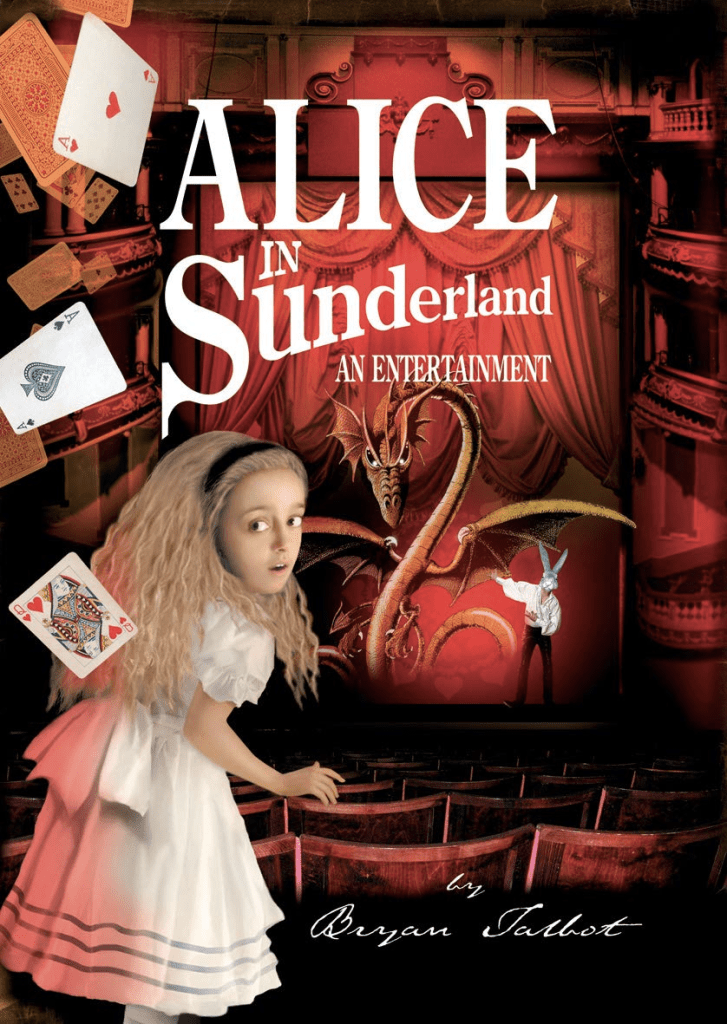
Alice in Sunderland: An Entertainment, by Bryan Talbot
The blurb: Alice in Sunderland is a graphic novel like no other. Bryan Talbot takes the city of Sunderland and the story of Lewis Carroll and Alice Liddell (the ‘real’ Alice) as the spine of his story and around them spins a spectacularly diverse range of different stories. He explores Carroll’s links with Sunderland and shows how the city inspired his masterpieces. He delves into the city’s history, from the Venerable Bede to George Formby, from its heyday as the greatest shipbuilding port in the world to its present multicultural mix.
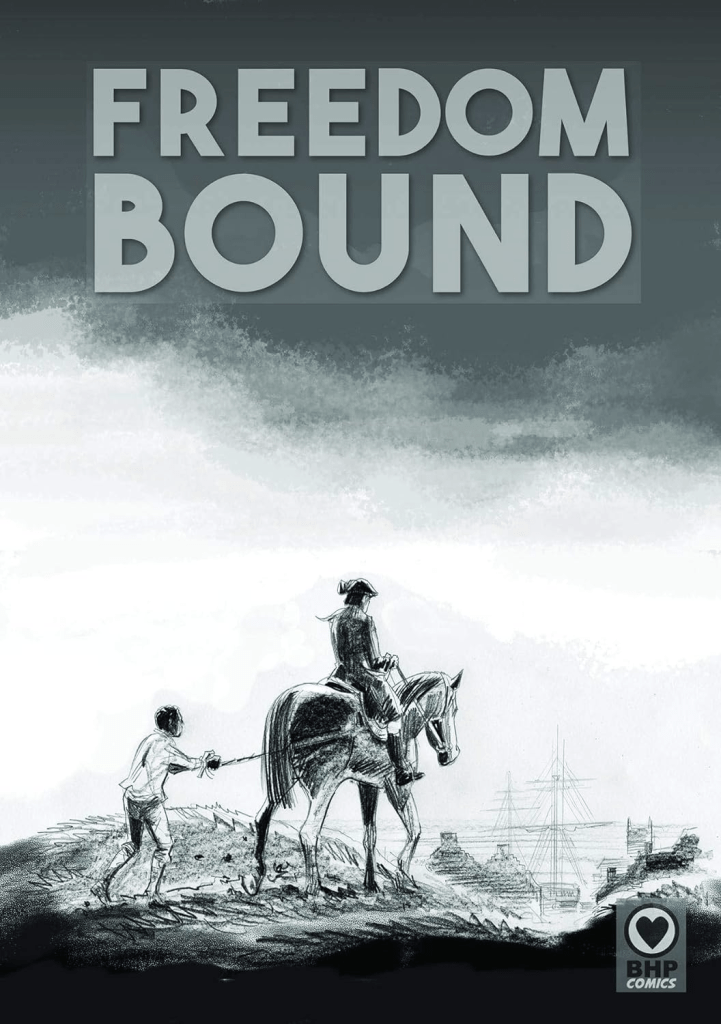
Freedom Bound, by Warren Pleece
The blurb: Freedom Bound explores Scotland’s uncomfortable connections with the history of slavery. We follow the interconnected stories of three enslaved people seeking freedom in Scotland in the decades before the legal case which decided that Scots Law could not tolerate slavery. Freedom Bound is the first book of its kind and we anticipate it becoming an invaluable teaching resource, encompassing art, literature, history and politics, as well as a gripping historical novel for popular release. The book aims to make this difficult subject matter accessible for young readers.
Freedom Bound would make an excellent addition to a classroom.
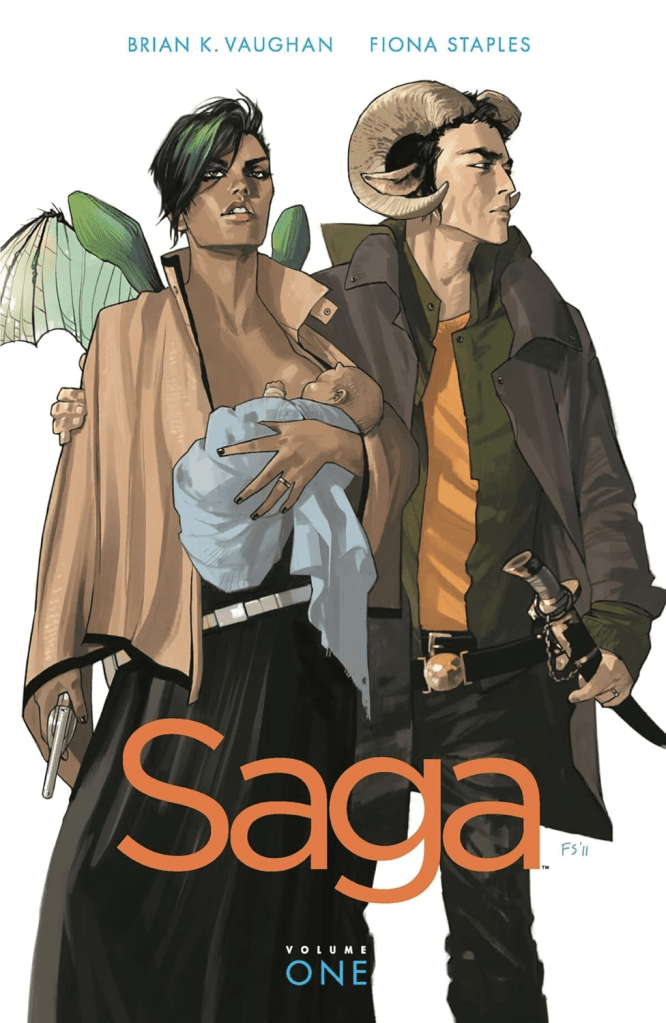
Saga, by Brian K. Vaughn and Fiona Staples
The blurb: Winner of the 2013 Hugo award for Best Graphic Story, Saga is about two soldiers from opposite sides of a never-ending galactic war who fall in love and risk everything to bring a fragile new life into a dangerous old universe. From New York Times bestselling writer Brian K. Vaughan (Y: The Last Man, Ex Machina) and critically acclaimed artist Fiona Staples (Mystery Society, North 40), Saga is the sweeping tale of one young family fighting to find their place in the worlds. Fantasy and science fiction are wed like never before in this subversive drama for adults.
This one is my favourite of the list, but I’m not sure it would be suitable for a classroom!
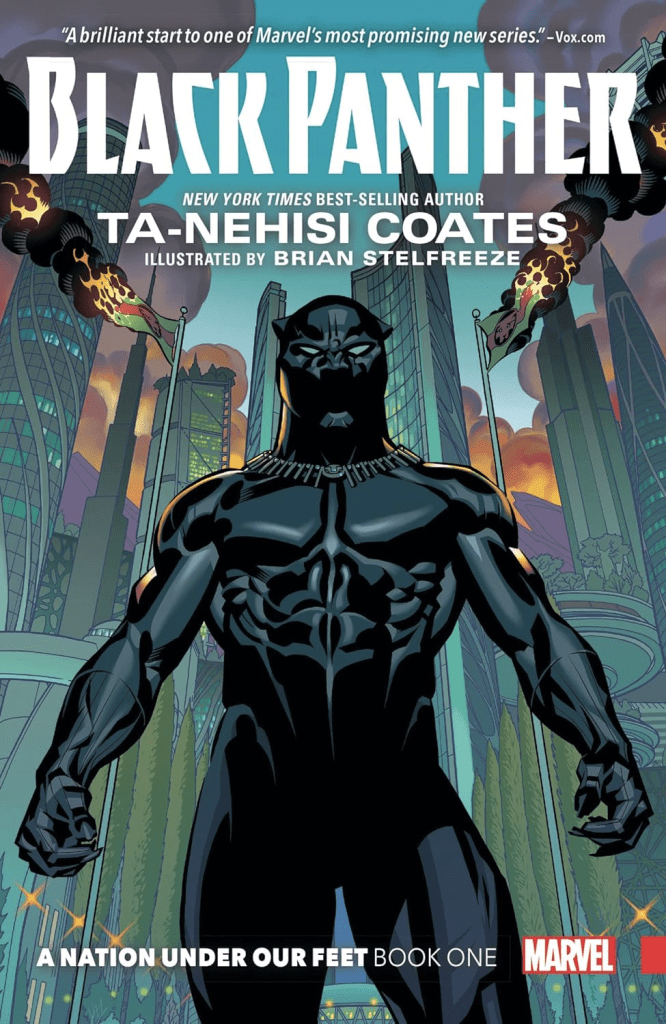
Black Panther, by Ta-Nehisi Coates
The blurb: MacArthur Genius and National Book Award-winner T- Nehisi Coates (Between the World and Me) takes the helm, confronting T’Challa with a dramatic upheaval in Wakanda. When a superhuman terrorist group that calls itself The People sparks a violent uprising, the land famed for its incredible technology and proud warrior traditions will be thrown into turmoil. If Wakanda is to survive, it must adapt – but can its monarch survive the necessary change?
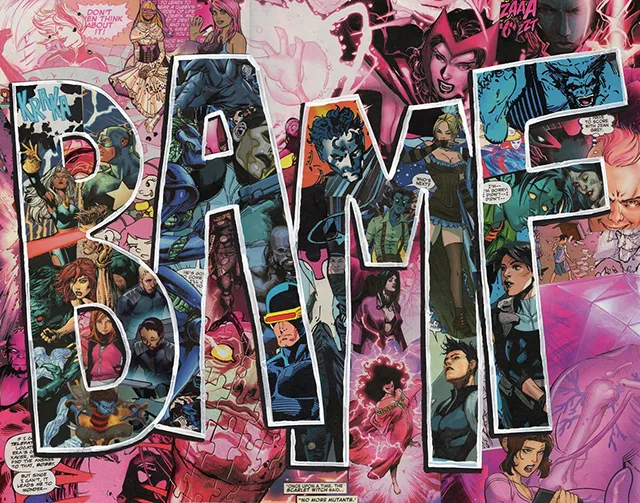
This is in no way an exhaustive or definitive list; it is merely a sample to indicate the versatility of comics, and thus their ability to tell complex and diverse narratives. It felt important to me that I put this blog together, because, again, though I love the classics, I know that most readers won’t recognise themselves in their pages. Representation matters, and comics offer a unique opportunity to tell stories that have previously fallen by the wayside of history and culture.
What do you think? Can you suggest any comics that should make it to the next list of essential reading?
Written by Alex Carabine
 Drawing on Forced Marriage
Leave a comment