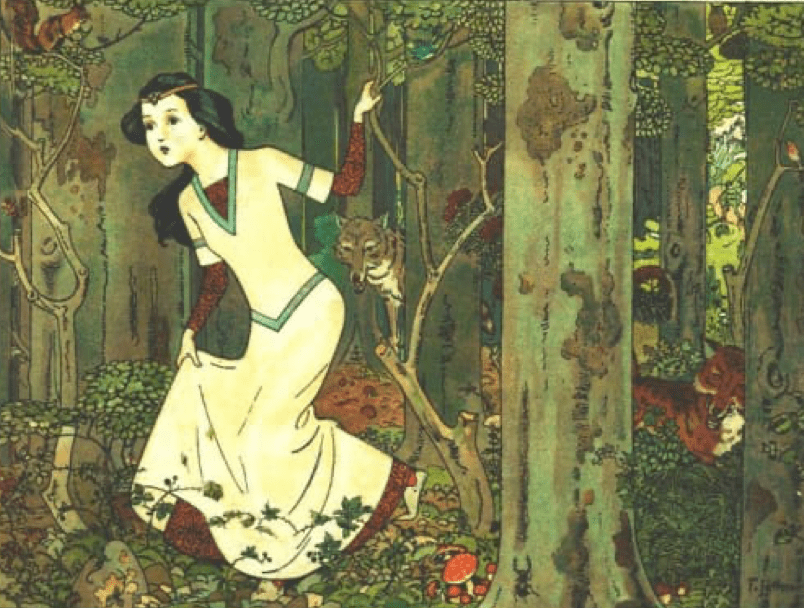
What do you think of when I say the word ‘fairy tale’? Perhaps you envision Cinderella in her glass slippers, or Snow White with a red apple in her hands. Maybe you think of the endless marketing campaigns of the wedding industry, where ‘fairy tale’ is the defining feature of any marriage, because – as everyone knows – all fairy tales end with Happily Ever After.
And yes, some fairy tales end happily (for the couple, that is. Did you know Cinderella’s sisters cut off their toes in order to fit into the slipper?). But they never, ever begin that way. And the wedding in Hans My Hedgehog is as unhappy as a funeral.
Why?
The bride was forced, against her will, to marry Hans the Grovelhog, and her whole family grieved for her.
For the record, I’ll be referencing the The StoryTeller TV show from 1988, which retold folk tales using the Jim Henson Creature Shop. However, the show bases the episode on a German fairy tale. Additionally, the fairy tale makes use of the ‘animal groom’ trope, which you will have seen in Beauty and the Beast, amongst others.
But I’m not beginning at the beginning, which is a bit avant-garde for a fairy tale. So. Let’s be more traditional.
Once upon a time, there was a farmer and his wife, who had never been blessed with children. But the woman longed and longed for a baby, but no matter what she or her husband tried, she never conceived. Eventually, she made a foolish wish. She wouldn’t care if the baby were strange, or made of marzipan, or ugly as a hedgehog, so long as she had a child.
Well, as is the way of fairy tales, her wish was granted – crookedly. The woman became pregnant, and in due course gave birth to a weird little boy who was half child, half hedgehog.
The woman named him Hans, and loved him anyway. But the farmer was ashamed of his son, and the village tormented the child. He grew up into a young man and learned he was strange and ugly, and he became sad. Eventually, Hans ran away into the forest.
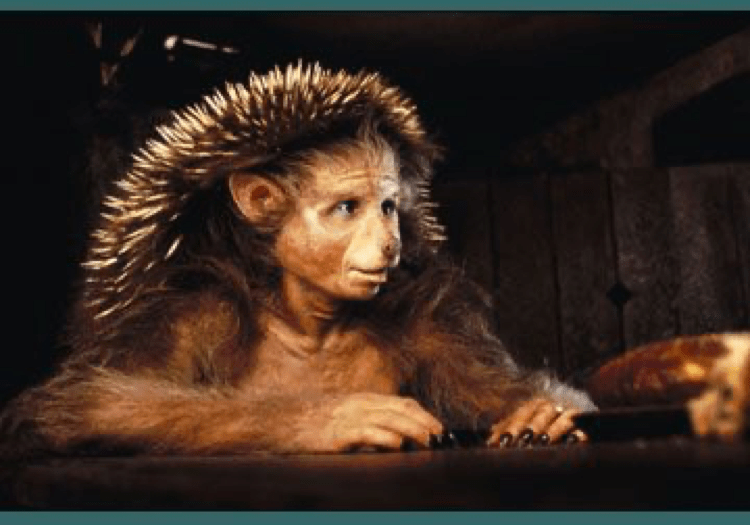
Twenty years later, a king became lost amongst the trees. What a relief when he found a palace! And in the palace was a creature, who used to be called Hans but was now known as the Grovelhog, who invited him in and gave the king food and shelter for the night. In the morning, he guided the king home. So grateful was the king for his rescue, that he asked what Hans would like as a reward.
“The first thing to greet you on your return home.” The Grovelhog answered.
Well, the king had a loyal dog who always raced to meet him at the door. Sad to see a good hound go, but… “Done.” Agreed the king.
You can feel it, can’t you? The twist, lurking in the simplicity of the promise. Because there are no straight deals in a fairy tale, and the King’s bargain is sealed – crookedly. It isn’t his dog who greets him first, but his daughter, the beautiful princess.
A year and a day later, the Grovelhog arrives to claim his bride. When Hans meets the princess for the first time, he asks her if she finds him very ugly.
“No, sir.” She answers. “Not so ugly as a broken promise.”
And sadly, this is an aspect of forced marriage that is active today. Children are sometimes used to pay their parents’ debts, as our comic Becca illustrates and which you may remember me discussing in Cash Cow, where a young girl is married because her parents need the money that her dowry will provide. So, although this fairy tale is occurring once upon a time, in a kingdom far away, it’s still a place that’s very like our own world. Grovelhogs notwithstanding.
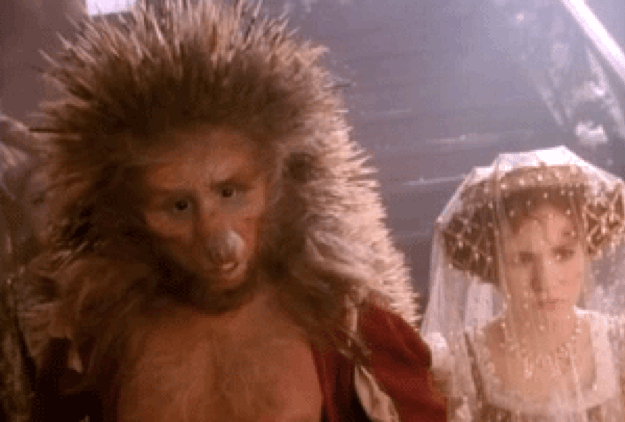
Well. Everyone weeps, and the princess marries the hedgehog. But that night, as the frightened bride pretends desperately to be asleep in bed, Hans strips off his skin of quills and goes outside to be alone beneath the moonlight. And the princess investigates the skin of quills and discovers they are warm, and soft.
By morning, Hans is a beast again and by night the same process is repeated. But this time, the princess falls asleep cuddling the skin of quills, and Hans finds her. He tells her he’s enchanted, and if she can keep his secret for one more night, the enchantment will be broken.
There it is again, that tingling sensation of a crooked little twist on the horizon. We know what’s going to happen, don’t we?
The princess mucks it up.
She gets bad advice, throws the quills on the fire to end the enchantment and, lo and behold! Hans is a hog again, and he disappears into the forest.
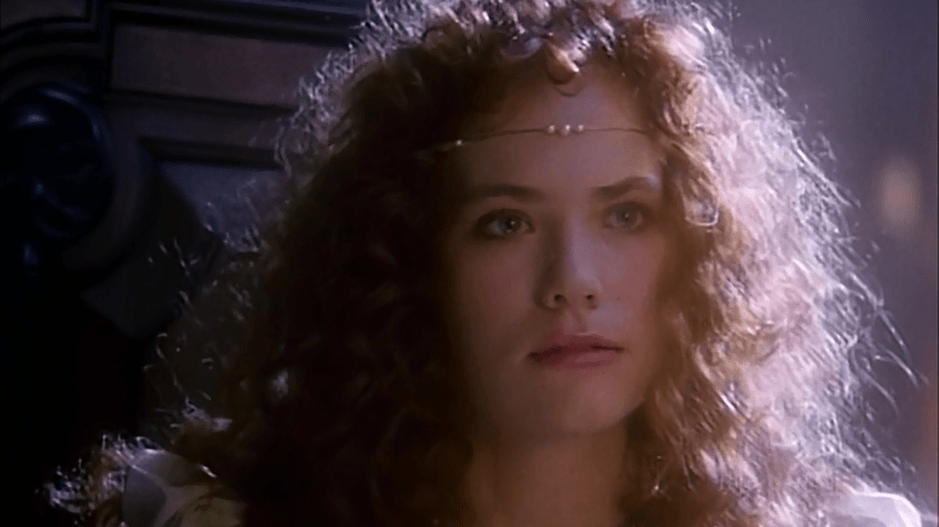
Heartbroken, the princess seeks out Hans throughout all the world, wearing two pairs of iron shoes to nothing in her wandering. Eventually, she finds him in a cottage in the woods.
“I’ve come to claim you,” she says. And she catches him up, and holds on tight as his shape violently shifts and the enchantment is broken. Hans is a man, at last and forever.
Then, the pair return home and have a second wedding. And we can hope that they live happily ever after.
I appreciate that Hans my Hedgehog ends happily, and did you know that forced marriages don’t always end in difficult relationships? This is something our comic Azedah touches on. Azedah’s parents pressure her into marrying the son of her dad’s friend, and although Azedah isn’t enthusiastic to begin with, by the end of the comic it seems like she and her husband have a happy relationship together. Additionally, it’s important to remember that forced marriages and arranged marriages aren’t the same thing. Azedah didn’t feel she could say no, and the princess was never actually given a choice. After all: “do you think I’m very ugly?” is absolutely not the same question as “Do you want to marry me?”. These two examples, then, are forced marriages. And it’s true that forced marriages don’t always end in misery. But, most importantly, we have to remember that just because a forced marriage isn’t a disaster, that doesn’t mean it’s morally or legally right. And if a person under the age of 18 is involved in the marriage, then it is also a child marriage as well as a crime.
Happily Ever After isn’t possible in the real world; I think that’s why we love fairy tales so much. Everything is neat in a fairy tale and things usually come out alright in the end. But that means we have to work even harder to improve the world we actually inhabit. With education we can raise awareness of the signs of forced marriage, and we can make sure that young people at least don’t end up unhappily ever after, in marriages not of their choosing.
That’s why the image on the back cover of our comic doesn’t end with a ‘happily ever after’ scene. It shows something better. It shows an open door.
Written by Alex Carabine
 Drawing on Forced Marriage
Leave a comment